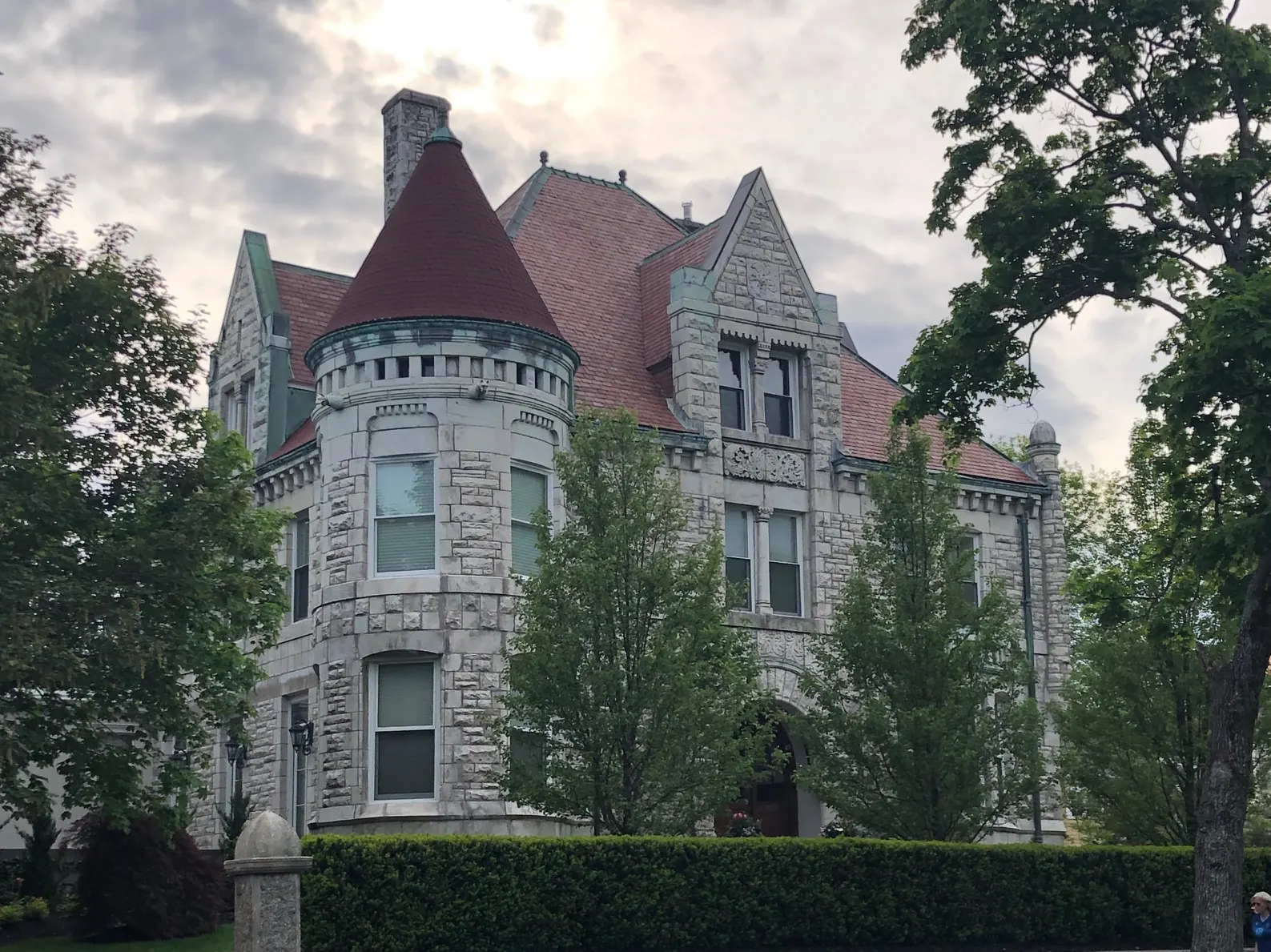
Nova Scotia's houses are older than most of the country's, and the climate is harder on them: salt air, freeze-thaw, wet springs. Wood siding, fieldstone foundations and oil heat are common, and so are the repair bills that come with them.
Cities and towns we buy in
We buy across Nova Scotia, most often in and around:
- Halifax
- Dartmouth
- Bedford
- Sydney
- Truro
- New Glasgow
- Kentville
- Bridgewater
Houses along the South Shore, in the Valley and in smaller towns within reach of these places are worth asking about.
Closing costs in Nova Scotia
The big one is the deed transfer tax. Each municipality sets its own rate, collected through the land registry when the deed is registered. Halifax charges 1.5% of the purchase price, and the Municipal Government Act caps municipal rates at 1.5%, so smaller municipalities can be lower but not higher. The buyer completes the affidavit of value and in practice pays the tax. A separate provincial deed transfer tax has applied to some non-resident buyers; that is their cost, and its current terms are worth confirming with a lawyer if your buyer lives outside the province.
Your costs as a seller are usually your lawyer's fee, any migration work on the title, the mortgage discharge and the property tax adjustment. If you list, add commission and 14% HST on it; Nova Scotia's real estate commission says commission is not set at any standard rate and is negotiable.
Rules Nova Scotia sellers should know
Migration to land registration
Nova Scotia is part-way through moving every parcel from the old registry of deeds into the land registration system. The province says any parcel being sold, mortgaged or subdivided into three or more parcels must be converted. If your property has never been migrated, your lawyer will need to do it as part of the sale, which can take time if the title history is messy. With an estate or an old family property, this is one of the first things to ask about.
Foreclosure means a court order and an auction
A lender in Nova Scotia applies to the Supreme Court for an order for foreclosure, sale and possession. The property is then sold at a public auction, usually run by a lawyer appointed in the order, and the lender often bids. Legal fees and auction costs come out of the proceeds before you see anything. Selling privately before the auction date is usually better for you; see behind on the mortgage.
Oil tanks
Nova Scotia regulates domestic heating oil tanks, and insurers pay close attention to their age and condition. A tank taken out of service must be removed along with any leftover oil and sludge. Our oil tank guide covers what it means for a sale.
Nova Scotia houses we see most
Century homes in Halifax and the towns, many with fieldstone or rubble foundations that seep. Oil-heated houses with an ageing tank. Damp basements and the mould that follows them. Houses inherited by children who live in Ontario or Alberta and cannot manage a listing from a distance. All of these are normal for us.
When listing is the better Nova Scotia route
Halifax-area houses in good shape draw strong buyer interest, and an agent will often do better for you than we can. If yours needs little and you have time, list it. A cash sale fits the house with a failing foundation, an old tank or a title that needs migrating, or the seller who simply cannot be there for months of showings.
Questions people ask
What is Nova Scotia's deed transfer tax?
A tax set by each municipality, collected when the deed is registered. Halifax's rate is 1.5% of the purchase price, which is also the most a municipality can charge under the Municipal Government Act. The buyer files the affidavit of value and in practice pays it.
What is migration and who pays for it?
Nova Scotia is moving parcels from the old registry of deeds into the land registration system. A parcel that is sold must be converted, or migrated, if it has not been already. Your lawyer handles it; who bears the cost is set by your agreement and local practice, so ask.
How does foreclosure work in Nova Scotia?
The lender applies to the Supreme Court of Nova Scotia for an order for foreclosure, sale and possession, and the property is then sold at a public auction. Selling before the auction usually leaves you in a better position.
Sources
Official pages we checked in November 2026. Rules change, so confirm with your lawyer before you rely on them.
- Government of Nova Scotia: Municipal deed transfer and property tax
- Halifax Regional Municipality: Taxes in Halifax
- Service Nova Scotia: Land registration questions
- Nova Scotia Supreme Court: Foreclosure procedures (Practice Memorandum 1)
- Legal Info Nova Scotia: Foreclosure
- Nova Scotia Real Estate Commission: Remuneration
- Nova Scotia Labour: Domestic oil tanks