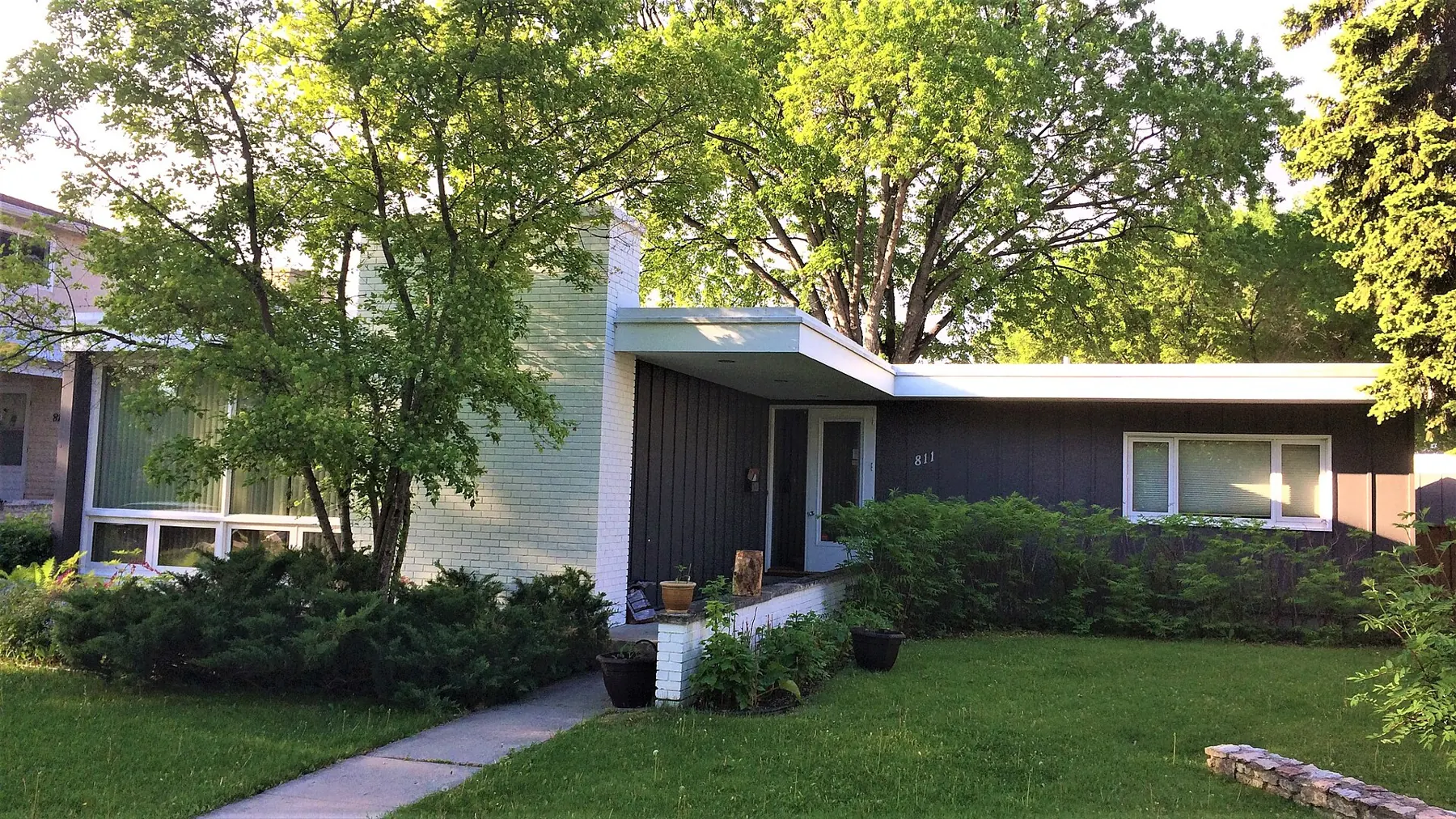
Missing mortgage payments is frightening, and the letters that follow are written to sound final. They usually are not, yet. In every province we buy in, an owner can still sell for a while after the lender starts enforcing. The question is how long, and that depends on the province.
The first three calls to make
- Your lender. Lenders would usually rather be paid than run a sale. Ask about deferrals, extending the amortization or a payment plan. The Financial Consumer Agency of Canada expects banks and other federally regulated lenders to offer tailored support to people at risk of falling behind on a mortgage on their home.
- A real estate lawyer. Bring every letter you have received. The dates on them matter more than anything else on this page.
- A licensed insolvency trustee, if other debts are piling up too. They are federally licensed, the first consultation is often free, and they can tell you whether a consumer proposal or other option fits.
Selling the house is a fourth option, and often the one that protects the most equity, but it should come after those three conversations, not instead of them.
Ontario: power of sale
Ontario lenders almost always use power of sale, which does not need a court. Under the Mortgages Act a lender can give a notice of sale once a payment has been in default for at least 15 days, and that notice must allow at least 35 days before the lender can sell. After that, the lender can list and sell the house, often at a price that simply covers what it is owed. Its legal fees, real estate commission and costs come out of your equity first. Selling yourself during the notice period usually leaves you with more.
Alberta: court foreclosure and redemption
In Alberta, foreclosure goes through the Court of King's Bench under the Law of Property Act. The lender files a claim, and the court typically sets a redemption period, often six months for a residential mortgage, during which you can catch up or sell. The court can shorten it, and insured high-ratio mortgages are treated more strictly. If no one redeems, the court can order a sale, deciding who buys and at what price. A sale you arrange during the redemption period puts that choice back with you.
Saskatchewan: leave of court and mediation
Saskatchewan is the most borrower-protective of our provinces. Under The Land Contracts (Actions) Act, a lender needs the court's permission before it can even start a foreclosure action on a mortgage, and must serve notice on you and the Provincial Mediation Board ahead of the hearing. The Board can help you and the lender reach an arrangement. Use that time: it is often enough to sell properly.
Manitoba: the Land Titles route
Most Manitoba mortgage enforcement runs through the Land Titles Office under The Real Property Act rather than through a court. Once a mortgage has been in default for a month, the lender can file and personally serve a notice exercising power of sale, then apply for an order to sell if the default is not cured. You can sell during this process, but it moves steadily, so do not wait for the next letter.
Atlantic Canada
In Nova Scotia the lender applies to the Supreme Court for an order for foreclosure, sale and possession, and the property is then sold at a public auction, usually run by a lawyer, where the lender often bids. Owners are generally expected to leave by the auction date. In New Brunswick, the Property Act lets a lender sell under a power of sale after notice. In Newfoundland and Labrador and Prince Edward Island, the route depends on the mortgage terms and the courts. In all four, a private sale before enforcement finishes is almost always better for the owner.
How a cash sale fits in
A cash sale's advantage here is the date. We can sign an agreement with a closing timed inside your deadline, with no financing condition that might collapse three weeks before the auction. On closing, the lawyers pay your lender in full, including arrears and any enforcement costs, and the balance comes to you.
We will also be straight with you. If the mortgage, arrears and costs add up to more than we can pay, we will say so on the first call, and point you back to the insolvency trustee. And if there is enough time and equity to list properly, that may serve you better than we can.
Watch for foreclosure rescue offers. Be wary of anyone who asks you to sign the house over to them in exchange for a promise to let you stay, pay an upfront fee to "stop the foreclosure", or skip having your own lawyer. Our guide on checking a cash buyer lists the warning signs.
Questions people ask
Can I still sell my house once enforcement has started?
In most cases yes, right up until the lender has sold the house or the court has made a final order. The later you leave it, the less room there is. Talk to a lawyer about your exact dates as soon as a demand letter or notice arrives.
Will selling to a cash buyer stop a power of sale?
A firm sale that pays the mortgage out in full on closing ends the enforcement, because the lender is paid. The lender's legal costs to date are usually added to the payout, which is one more reason to move early.
What if I owe more than the house is worth?
Then no buyer can pay the mortgage out from the sale alone, and you need advice before you sign anything. A licensed insolvency trustee can explain your options, which may include a consumer proposal. We will tell you honestly if our offer cannot cover what you owe.
Sources
Official pages we checked in November 2026. Rules change, so confirm with your lawyer before you rely on them.
- Ontario Mortgages Act, R.S.O. 1990, c. M.40 (notice of sale, sections 31 to 33)
- Alberta Law of Property Act, RSA 2000, c L-7 (CanLII)
- Centre for Public Legal Education Alberta: Foreclosure
- Saskatchewan: The Land Contracts (Actions) Act (CanLII)
- Government of Saskatchewan: Provincial Mediation Board
- Manitoba Land Titles: Mortgage sale and foreclosure guide
- Legal Info Nova Scotia: Foreclosure
- New Brunswick Property Act, R.S.N.B. 1973, c. P-19
- Financial Consumer Agency of Canada: Paying your mortgage when experiencing financial difficulties
- Office of the Superintendent of Bankruptcy: Find a licensed insolvency trustee